
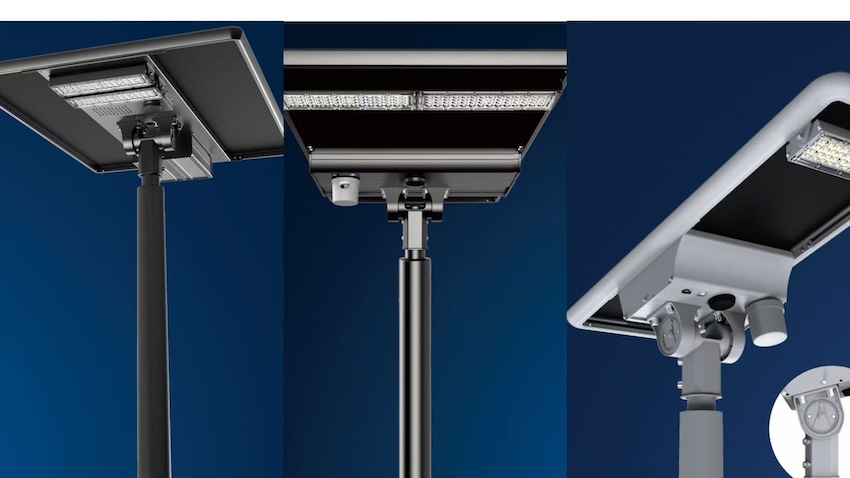
As solar street lighting continues to replace traditional grid-powered systems around the world, one of the most common questions from project owners, contractors, and municipalities is:
“What wattage solar street light do I need?”
The answer is not always straightforward. Choosing the correct wattage involves much more than selecting the brightest light available. Factors such as installation height, road width, traffic density, operating hours, local weather conditions, and lighting standards all play important roles.
Selecting the right solar street light not only improves lighting performance but also helps optimize project costs, energy efficiency, and long-term reliability.
The wattage of a solar street light directly affects its illumination performance, but it also influences the size of the solar panel, battery capacity, system autonomy, and overall investment. An oversized system may increase project costs unnecessarily, while an undersized system may fail to provide sufficient illumination throughout the night or during consecutive cloudy days. For this reason, professional lighting design should always consider both lighting requirements and environmental conditions rather than wattage alone.
Different outdoor environments require different lighting levels. Below are general recommendations for common applications.
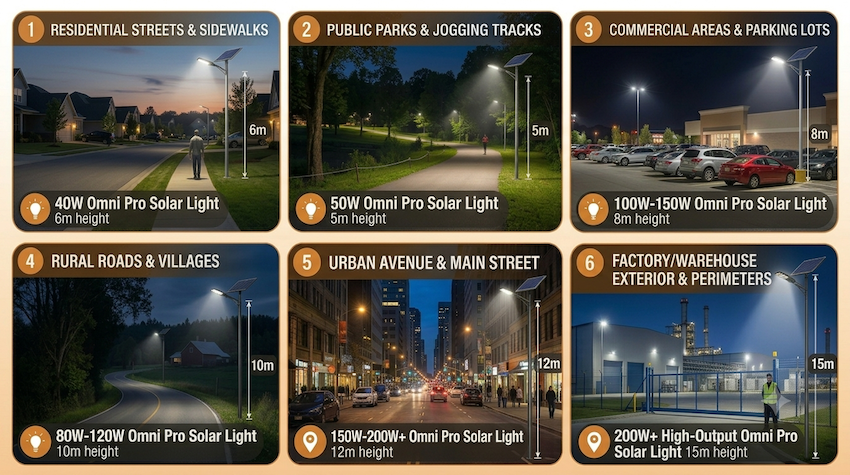
These recommendations may vary depending on local lighting standards, pole height, beam angle, and environmental conditions. Working with an experienced manufacturer can help ensure the lighting design meets project requirements while maximizing energy efficiency.
Although wattage is an important specification, it should never be the only factor when selecting a solar street light. Several other components determine the overall performance and lifespan of the system.
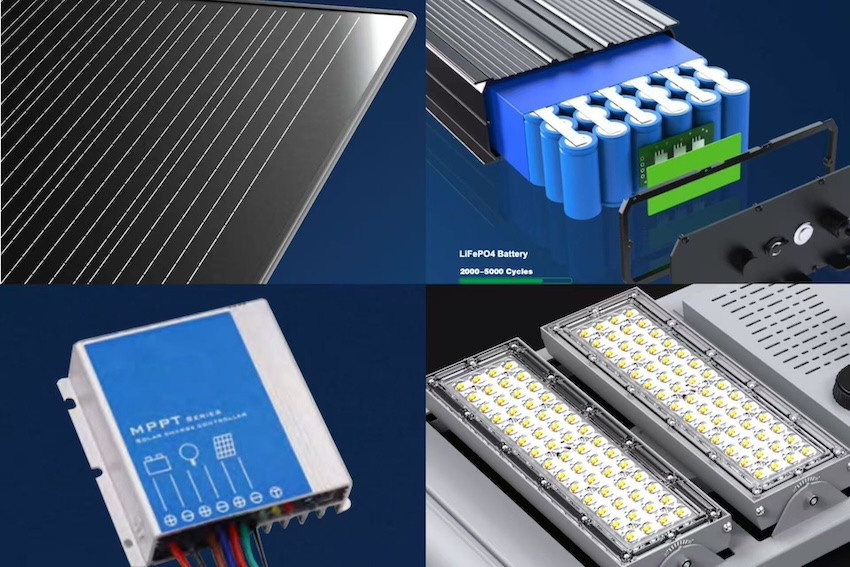
High-efficiency solar panels enable faster charging even under limited sunlight.
Grade-A LiFePO₄ batteries provide longer service life, higher safety, and stable performance over thousands of charging cycles.
Intelligent MPPT solar controllers maximize charging efficiency while protecting the battery under varying weather conditions.
High-lumen LED chips improve lighting output while reducing overall energy consumption.
Professional optical lens designs ensure uniform light distribution, minimizing dark areas and improving roadway visibility.
In addition, modern IoT smart lighting systems allow remote monitoring, dimming schedules, fault diagnosis, and energy management, significantly reducing maintenance costs for municipalities and facility operators.
Beyond selecting the appropriate wattage, choosing the right manufacturer is equally important. With over 18 years of experience in outdoor lighting, E-Lite provides comprehensive solar lighting solutions ranging from 20W to 200W, including both all-in-one and split-type solar street lights for residential roads, highways, industrial parks, campuses, ports, and municipal infrastructure projects.
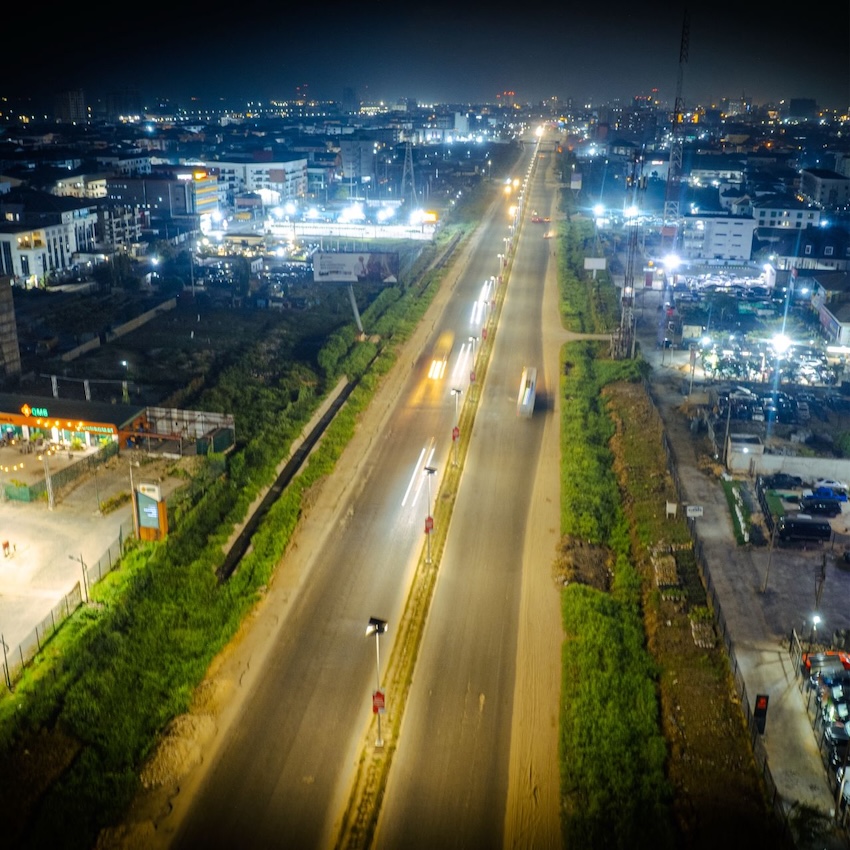
There is no universal wattage that fits every outdoor lighting project. The ideal solution depends on the application, installation environment, lighting requirements, and local climate.
By considering not only wattage but also battery capacity, solar panel efficiency, controller technology, and smart management capabilities, project owners can achieve better performance, lower maintenance costs, and longer system life.
Whether you are planning lighting for a residential community, an industrial park, or a major highway, selecting the right solar street light begins with choosing the right system — not simply the highest wattage.
E-Lite continues to help customers worldwide deliver efficient, reliable, and intelligent solar lighting solutions tailored to every outdoor application.
Post time: Jul-09-2026


